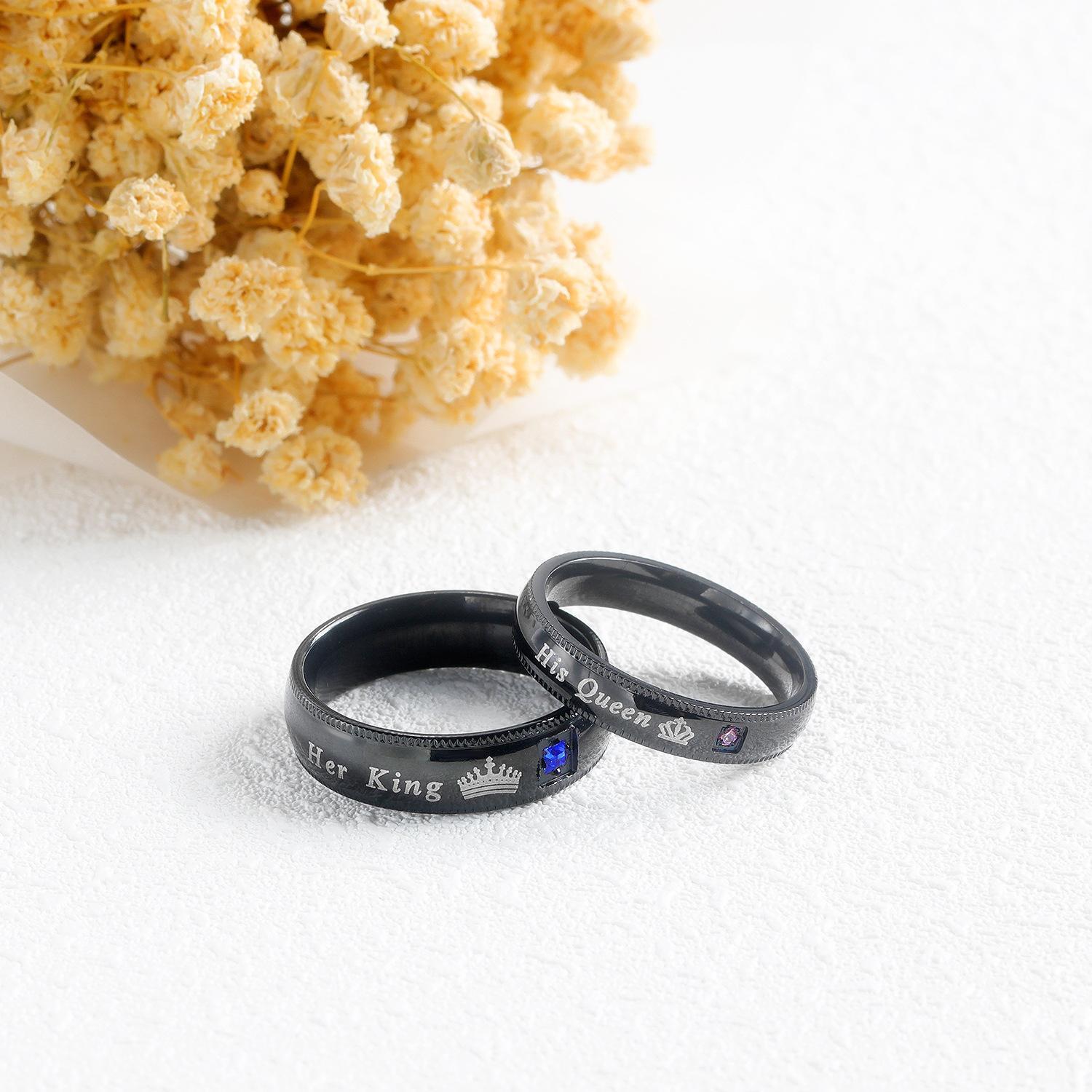
It's not just the size of a diamond that matters when it comes to couple rings. It affects how it looks and feels, as well as how much it costs.
Carat weight is a key factor in long-term comfort, value and quality. The right carat weight balances beauty with meaning and will last for years.
Couplesets is a company that has guided thousands clients to find rings that fit their style, budget, and priorities. This experience has taught one thing to us: Clarity is essential. Knowing what you can expect helps to make it easier to select with confidence.
This matching jewelry guide helps you understand what carat means, its impact on price and size, and how you can make a smart and personalized choice.
Here is the Quick Solution:
The carat size of an engagement band depends on your budget and hand size. It also depends on lifestyle, personal values, and how you live. Although 1.0 ct has become a standard for engagement rings in Canada, lab grown diamonds can offer a larger visual size at a lower price, making them an excellent value. Cut quality, setting, and shape can all affect the size of a diamond, sometimes more so than its carat. DiamondNet Vancouver is here to help you make the right choice.
What does carat stand for and why does its value affect the price?
A carat can be used as a weight unit to measure gemstones. One carat equals approximately 200 milligrams. There's a catch, though: not all diamonds look alike.
This is because the cut, shape, or proportions of the diamond will affect its appearance. Marquise and oval cuts, for example, can make a diamond appear bigger than a round diamond of the same size.
Diamond prices are largely determined by the carat. The higher the carat value, the more rare the diamond and the more costly it becomes.
Even a small weight increase can lead to a significant price rise, especially if you are crossing popular "magic" sizes like 1.0ct. 1.5ct. and 2.0ct.
Tips: A diamond that is slightly smaller (e.g. 1.0 ct vs. 0.97 ct), can save you a lot of money, without compromising on appearance. These "under-the-threshold" stones are a great way to maximize value.
Carat Size: The Key Factors
The size of the carat is not universal. What's the best weight for you? It depends on your lifestyle and finger size.
Here's what you need to consider:
1. Budget Constraints
Carat weight is directly related to cost. Prices are impacted by weight changes, especially for popular benchmarks as 1.0 carat or 2.0.
Lab-grown stones are smaller and cheaper, whereas larger natural diamonds come with a premium because of their rarity.
DiamondNet.ca has a wide range of natural and laboratory-grown diamonds at a variety of prices.
Budget is important, but you should also prioritize your priorities.
2. The Proportions and Size of the Finger
The same carat weigh can look different on each finger.
For smaller hands, stones weighing 0.75 to 1 ct will look great.
Rings that are larger can be worn on fingers of larger size without looking outsized.
Try out a few different carats weights, or use the plastic ring-sizer at home to find what best suits your hand.
3. Durability and Lifestyle
You choice should be influenced by your daily routine.
Comfort and safety are important when you work or exercise with your hands.
For less hands-on lifestyles, larger stones can be worn more confidently--especially with durable settings like bezels or channels.
Average Carat sizes by Region and Demographics
Engagement ring trends differ greatly depending on region and culture. While some buyers focus on eye-catching shapes, others choose minimalism or symbols.
How do average carat sizes globally compare?
Canada
Carat preferences closely follow U.S. trends. The 1.0 ct range is the sweet spot between impact and budget for most Canadian couples.
Lab-grown diamonds help more buyers achieve larger looks at a lower price.
United States
According to The Knot’s Study on Jewelry & Engagment in 2024, average engagement ring sizes are 1.7 (including accents), while average center stones have grown to 1.8, from 1.7 in 2023. This is due to a growing preference for visually stunning rings.
United Kingdom
0.6ct is the average size of a center stone in an engagement ring.
UK couples often prefer elegance that is subtle over size.
Western Europe
Many countries in Western Europe have averages between 0.5 and 0.6 ct.
The trend is to choose low-profile settings with modest diamonds over large ones.
Asia (e.g. China, Singapore)
The average stone size is 0.5-0.7 cm in the major urban centers.
Clearness and size are not always the focus.
Carat Weight vs. Visible size
Even though they may weigh the exact same, not all diamonds look the same. It is possible for two stones to weigh exactly one carat, but look noticeably different due to their size, cut, shape, or overall proportions.
Why Carats Aren't The Whole Picture
Carats are weight units, 200 milligrams in this case. The diamond's size and how it reflects light are more important than its face-up dimensions. It's for this reason that a poorly shaped 1.0 ct gemstone may appear smaller than a properly faceted stone of the exact same weight.
Conclusion
There isn't a universal rule on how many carats should be in an engagement band. While a 1.0 ct center stone remains a popular and practical benchmark--especially in Canada--the best choice is always the one that fits your style, values, and daily life.
Lab-grown Diamonds are an excellent option to increase the visual size of diamonds without breaking your budget. Natural diamonds have more value for those who want to invest in the future or are looking for rarity.
A good carat size will reflect your priorities, be it brilliance and presence, symbolism and sentiment or symbolism.
DiamondNet Vancouver will help you to make the right decision. Our expert advisers will help compare options, understand values, and design beautiful rings.
Visit our showroom or arrange a private appointment to see natural and lab grown diamonds, customized designs, and receive personalized guidance from experts who care.